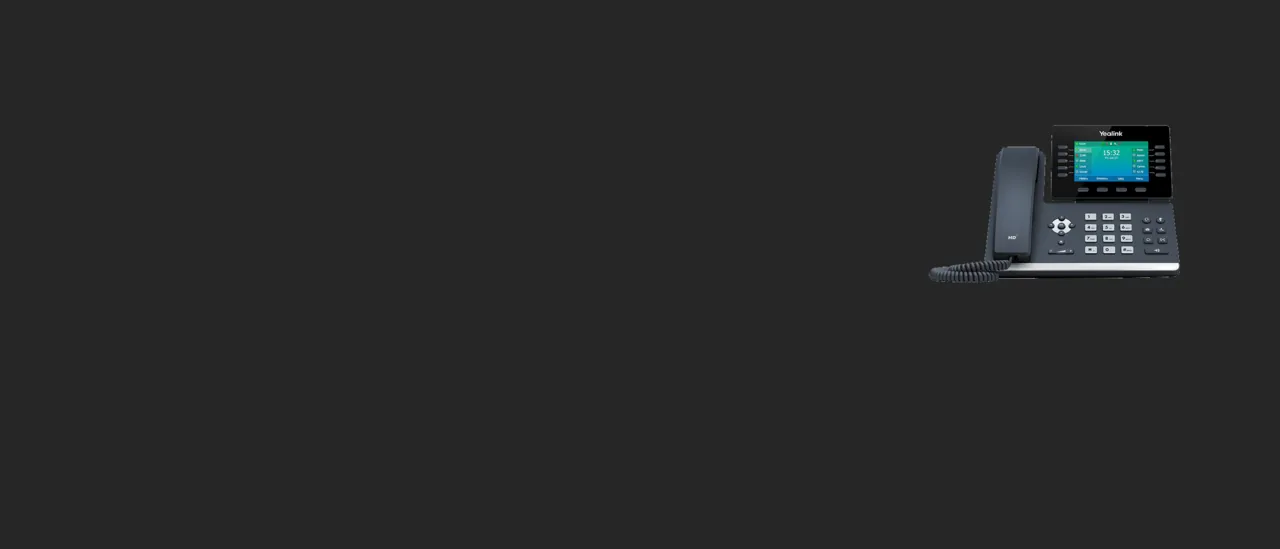
Yealink T54W desk phone centred on a neutral Gray 10 studio surface
3CX vs FreePBX

3CX vs FreePBX — managed product or DIY open-source?

What FreePBX actually is.

FreePBX is a web-based admin interface that sits on top of Asterisk, the open-source PBX engine. The software is free. The commercial side comes via Sangoma — they sell hardware (the PBXact appliance line, which runs FreePBX with commercial support), per-module add-ons for advanced features (call recording with retention, advanced reporting, CRM integrations), and an annual commercial-support contract.

You can run FreePBX entirely free on a £15/month VPS or a Mini PC at the office. You can also pay Sangoma for add-on modules and support and end up with a per-system cost in the £500–1,500/year range. The product flexes across "fully free DIY" to "paid commercial deployment".

Where FreePBX wins.

  • Zero licence cost (at the free end). The base software is genuinely free for any number of users. You pay only for hardware (Mini PC ~£400 or VPS ~£180/year), SIP trunks, and your own time.
  • Full configurability. Asterisk's dialplan can do almost anything — custom IVRs, complex call-flow logic, integrations via shell scripts or AGI scripts. If your firm has unusual call-routing needs, FreePBX can handle them.
  • No vendor lock-in. Open-source means you can fork it, migrate it, modify it, run it on any hardware. Configuration is exportable; no SaaS lock-in.
  • Large open-source community. Forums, Reddit (r/asterisk, r/voip), and a long history of public documentation. Almost any problem you encounter has been solved by someone.
  • Cheap commercial path via Sangoma. If you grow into needing commercial support, Sangoma's offerings are reasonable. PBXact appliances start under £1,000 and include commercial features.

Where FreePBX loses to managed 3CX.

  • Operational overhead. FreePBX upgrades land regularly; modules need patching; Asterisk security updates need applying; SIP firewall rules need maintaining. For an SME without a dedicated Linux admin, this is hours of attention per month that the firm shouldn't be spending on phones.
  • No UK managed-service ecosystem to speak of. Independent UK MSPs deploying and supporting FreePBX exist but the ecosystem is fragmented. Compared to the 3CX UK partner network, finding a competent FreePBX-savvy MSP is harder, more time-consuming, and less price-comparable.
  • CRM and case-management integration depth. Out-of-the-box FreePBX integration with Salesforce, HubSpot, Clio, LEAP is via community-contributed modules of varying quality. 3CX's commercial integrations are more polished and consistently maintained.
  • Mobile and desktop client experience. Sangoma Connect (the FreePBX mobile/desktop softphone client) is functional. 3CX's apps are consumer-tier polished. Real difference if your team values UX.
  • Video conferencing and modern UC features. FreePBX has limited native video; integrations exist but bolted-on. 3CX has integrated video on PRO; AI tier supports 250 participants.
  • Reception switchboard / wallboards. 3CX PRO includes a polished switchboard and supervisor wallboards. FreePBX has functional equivalents via modules but the user experience is more "admin tool" than "reception interface".

Cost comparison.

Apples-to-apples is hard because the categories differ:

  • FreePBX DIY (50 users): £180/year VPS + £30–80/month SIP trunks + your own time. Total cash: ~£500–1,200/year plus the operational cost of one engineer's part-time attention.
  • FreePBX with Sangoma commercial support (50 users): ~£800/year support contract + per-module add-ons (recording, reporting) ~£300/year + hosting + SIP. Total cash: ~£1,800–2,500/year. No managed-service layer (you still run the system; Sangoma handles software-level support only).
  • Managed 3CX via Port Phones (50 users): ~£4,800/year all-in (licence + UK hosting + SIP + handsets-amortised + support + the managed-service layer). Two contacts: us. We run it; you use it.

FreePBX's headline cost is dramatically lower if you have in-house Linux capability. The hidden cost is your time. At £400/day for a senior engineer or business owner, two days a quarter spent on PBX administration is £3,200/year — and that's before something breaks at 4pm Friday.

Who should pick which.

  • Pick FreePBX if: you have in-house Linux capability, you enjoy the technical work, your firm's call-routing needs are unusual and benefit from full configurability, or you're a software firm where DIY infrastructure is the cultural default.
  • Pick managed 3CX if: your firm's primary business is not telephony, you'd rather spend the operational hours on revenue work, you want a UK MSP relationship, or your team values the polished UX.
  • Pick PBXact appliance from Sangoma if: you want FreePBX with commercial backing but still want to operate it in-house. Middle path.

What we'll tell you at audit.

FreePBX is a great product for the right firm. If your firm runs Linux servers anyway, employs engineers who enjoy this kind of work, and has unusual call-routing needs that benefit from raw Asterisk configurability, stay on FreePBX. If you're spending operational time on phones because there's no managed alternative you trust, that's exactly what managed 3CX exists for. Book a free audit — we'll tell you which case yours is in.